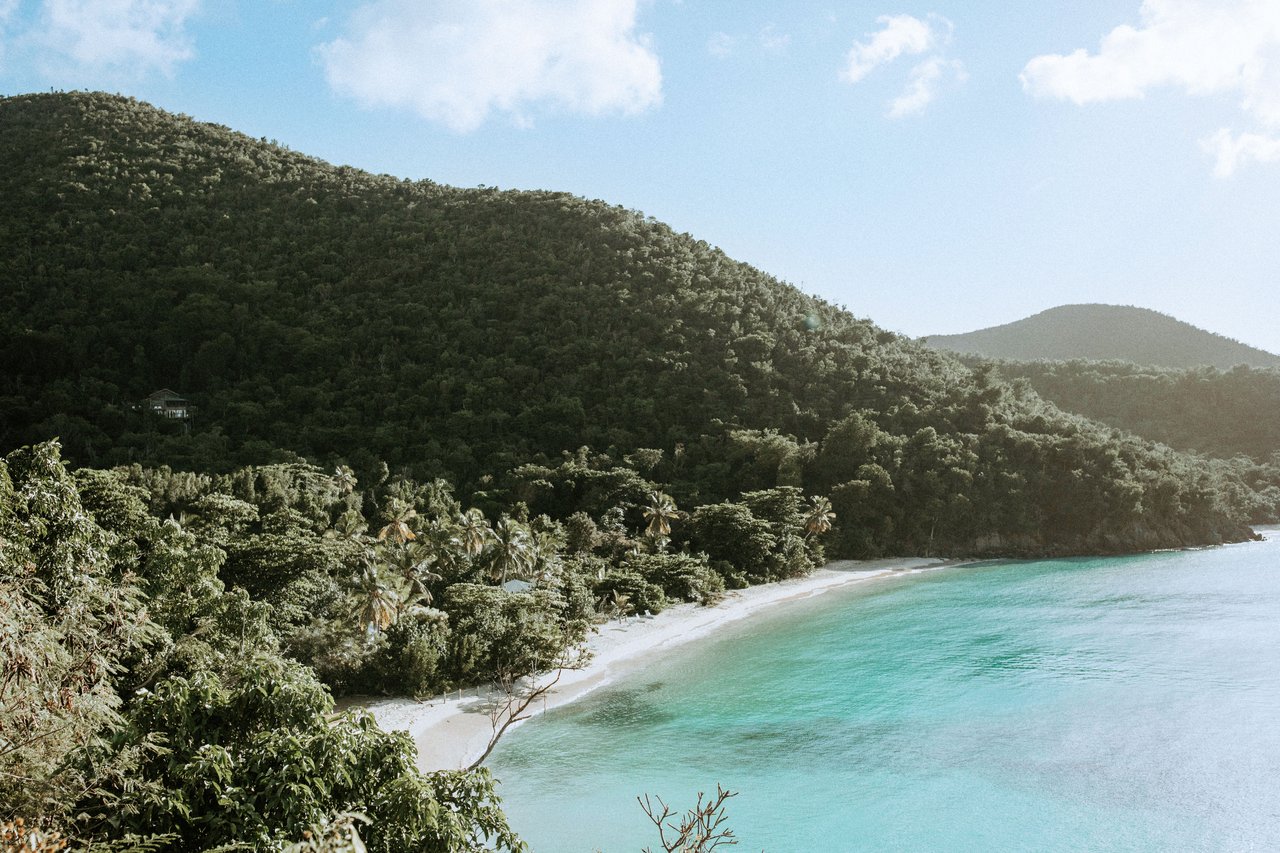
St. John is the kind of place that earns its reputation without trying. No cruise ship crowds, no sprawling resort strips. Just 20 square miles of volcanic peaks, white sand beaches, and turquoise water so clear it looks invented. If you are planning your first trip, or your fifteenth, here is everything worth knowing before you go.
Getting There
There are no direct commercial flights to St. John. You will fly into either Cyril E. King Airport on St. Thomas or Luis Muñoz Marín International Airport in San Juan, Puerto Rico, and connect from there.
From St. Thomas, the most common route is a taxi or shuttle to Red Hook on the east end of the island, followed by a short passenger ferry ride to Cruz Bay. The whole transfer takes about 45 minutes to an hour depending on traffic and ferry timing. Ferries run frequently throughout the day, and the ride itself is scenic and genuinely enjoyable.
You can also catch a ferry from the Charlotte Amalie waterfront in St. Thomas, though the Red Hook route is typically faster and more convenient for most travelers.
Getting Around the Island
Most visitors rent a Jeep or open-air 4x4, and for good reason. St. John's roads are steep, narrow, and driven on the left, a holdover from the island's Danish colonial history. A capable vehicle is not just recommended for reaching the best beaches and trailheads, it is essentially required. Book your rental in advance, especially during peak season.
If you are staying in or near Cruz Bay, you can manage a lot on foot or by taxi. Open-air safari taxis run fixed routes and are a fun, affordable way to get around. For day trips to the more remote beaches, you will want your own wheels or a planned boat excursion.
When to Go
St. John's high season runs roughly from mid-December through April, when the weather is driest and coolest and the island fills with visitors. Rates for accommodation and rentals peak during this window, and popular beaches can get crowded.
The shoulder season, May through July, offers a sweet spot of good weather, thinner crowds, and lower prices. August through November is hurricane season, which comes with trade-offs: the best deals of the year, but also the highest weather risk. Many seasoned St. John travelers happily take that bet.
Where to Stay
St. John has no large chain hotels outside of the Westin resort near Cruz Bay. The majority of accommodation is private villas, vacation rentals, and smaller boutique properties. This is actually one of the things that makes the island feel so different from typical Caribbean destinations. You are staying in someone's home or a purpose-built retreat, not a tower with 400 identical rooms.
Villas range from simple hillside cottages to multi-bedroom luxury estates with private pools, full staff, and views that make you question every other life decision you have ever made. Booking platforms and local property managers both handle rentals, and working with someone who knows the inventory can save you from a disappointing mismatch between photos and reality.
What to Do
The honest answer is that doing very little is entirely acceptable and highly recommended. But for those who want a framework:
Spend your mornings at Trunk Bay, Cinnamon Bay, or Maho Bay, all within the National Park and each with distinct character. Snorkel the underwater trail at Trunk Bay. Kayak into the mangroves at Maho, where sea turtles feed in the shallows at low tide. Hike the Reef Bay Trail before it gets hot and reward yourself with a swim at the bottom.
For evenings, Cruz Bay delivers. The town is small but the dining scene punches well above its weight, with restaurants ranging from waterfront casual to genuinely impressive. Watch the sunset from a harbor-facing seat and order something cold.
A Few Practical Notes
Cell service on St. John is functional but spotty in some areas. Download offline maps before you leave your villa. Tipping is customary and appreciated across the island. Most shops and restaurants in Cruz Bay accept credit cards, but cash is useful for smaller vendors and roadside stands.
The National Park charges no entry fee, which is one of the great bargains in travel. Respect the land accordingly. Leave no trace, do not touch the coral, and resist the urge to pick up shells or rocks from protected areas.
St. John rewards the traveler who slows down. That is not a platitude. It is practical advice. Build in unscheduled time and let the island fill it.
Considering making St. John more than a vacation? Cruz Bay Realty has been helping people find their place here since 1985. Let's talk.